Worker voice
Standards to ensure workers can share their perspectives and participate in decisions that affect them are core to our Fair Labor Code and Fair Labor Principles.
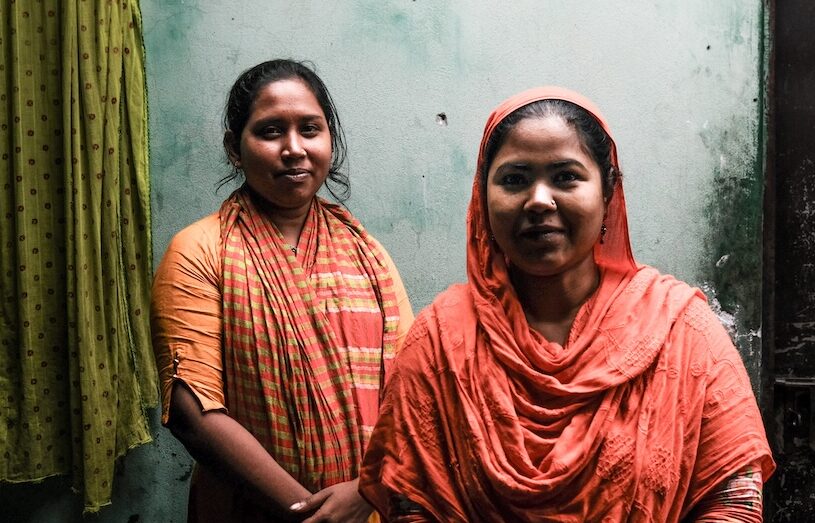
Workers are the experts on their own working conditions, and it is critical that they can safely express their experiences, concerns, and priorities with each other and their employers. Worker voice helps companies understand working conditions, identify labor rights risks, and develop solutions that respond to workers’ realities in their supply chains.
For over 25 years, FLA has centered workers’ voices. We collaborate with unions and civil society organizations around the world to shape programs and policies that address complex labor issues and improve working conditions.
Key to our Fair Labor Code is the commitment to freedom of association and collective bargaining as workers’ organizations and trade unions play an important role in promoting workers’ rights. We also require our company members to engage with civil society and worker representatives as part of our Fair Labor Principles.
Our standards and resources recognize that worker voice takes many forms, including direct communication between employers and workers, collective bargaining, social dialogue, grievance mechanisms, and through other feedback systems.
Our unique model of collaboration
We are the only global multi-stakeholder initiative that brings workers, brands, and universities together to shape industry standards and solve challenging labor-rights issues like child labor, responsible recruitment, fair compensation, and more.
One of the most important components of our model is the Labor and Civil Society Caucus, which ensures a strong worker voice in FLA’s strategy, program development, governance, and decision making. The diverse caucus leads an ongoing consultation process with labor and civil society organizations worldwide.
Meaningful stakeholder engagement
Meaningful engagement with labor and civil society organizations, including trade unions and worker representatives, is a cornerstone of responsible business and human rights due diligence in global supply chains.
This engagement helps companies ensure stronger risk mitigation, comply with legal and regulatory requirements, and build more resilient and sustainable supply chains. For workers, it ensures that they shape the process, the agenda, and outcomes of discussions with employers – leading to safer working conditions, better pay, and more secure employment.
As part of Principle 9 of our Fair Labor Standards, we require our company members to identify, research, and engage with civil society, unions and worker representatives in order to better understand working conditions and inform sustainable business practices in manufacturing and agriculture.
In addition to member-specific resources to better support meaningful stakeholder engagement, we have developed practical guidance for companies in the agriculture and food manufacturing sector together with Oxfam, AIM-Progress, amfori, ETI, Ethical Trade Sweden, and FNET.
Fair Labor Standards: Worker voice
The Fair Labor Code and Fair Labor Principles are applied at different parts of the supply chain and work in tandem to improve working conditions.
Code of Conduct and compliance benchmarks for manufacturing
Freedom of association and collective bargaining
Employers shall recognize and respect the right of employees to freedom of association and collective bargaining.
FOA.1 General Compliance Freedom of Association
FOA.1.1 Employers shall comply with all national laws, regulations and procedures concerning freedom of association and collective bargaining. national laws, rules, and procedures protecting the rights of workers to organize and bargain collectively. Where local laws and FLA standards differ, the employer is expected to follow the highest applicable standard.
FOA.1.2 If not provided by law, employers must provide protection to workers who allege violations of freedom of association.
FOA.2 Right to Freely Associate
Workers, without distinction whatsoever, shall have the right to establish and to join organizations of their own choosing, subject only to the rules of the organization concerned, without previous authorization. The right to freedom of association begins at the time that workers seeks employment and continues through the course of employment, including eventual termination of employment, and is applicable as well to unemployed and retired workers.
FOA.3 Alternative Means of Association
When the right to freedom of association and collective bargaining is restricted under law, employers shall not obstruct legal alternative means of worker association.
FOA.4 Anti-Union Violence, Harassment or Abuse
FOA.4.1 Employers shall not use any form of physical or psychological violence, threats, intimidation, retaliation, harassment or abuse against union representatives and workers seeking to form, in the process of forming, or who have joined an organization of their own choosing.
FOA.4.1.1 Such practices shall not be used against workers’ organizations or workers participating or intending to participate in formal or informal organizing activities, including strikes.
FOA.5 Anti-Union Discrimination / Dismissal, Other Loss of Rights, and Blocklisting
FOA.5.1 Employers shall not engage in any acts of anti-union discrimination or retaliation, i.e. shall not make any employment decisions which negatively affect workers based wholly or in part on a workers’ union membership or participation in union activity, including the formation of a union, previous employment in a unionized facility, participation in collective bargaining efforts or participation in a legal strike.
FOA.5.1.1 Employers shall not use blocklists to restrict freedom of association, for instance blocklists based on union membership or participation in union activity.
FOA.6 Restoration of Workers Rights / Worker Reinstatement
Workers who have been unjustly dismissed, demoted or otherwise suffered a loss of rights and privileges at work due to an act of union discrimination shall, subject to national laws, be entitled to restoration of all the rights and privileges lost, including reinstatement and retroactive payment of wages, if they so desire.
FOA.7 Protection of Union Representatives
Employers shall comply with all relevant provisions where national laws provide special protection to workers or worker representatives engaged in a particular union activity (such as union formation) or to worker representatives with a particular status (such as founding union members or current union office holders).
FOA.8 Production Shift/Workplace Closure
FOA.8.1 Employers shall not (threaten to) shift production or close a workplace site in an attempt to prevent the formation of a union, in reaction to the formation of a union, in reaction to any other legitimate exercise of the right to freedom of association and collective bargaining, including the right to strike, or in an effort to break up a union.
FOA.8.2 If a workplace is closing and there is a dispute that the closure was done to prevent or hamper the legitimate exercise of the right to freedom of association, employers shall provide proof that can be assessed by a third party to determine the validity of the reasons given for closure.
FOA.9 Severance Pay
Employers shall not offer or use severance pay in any form or under any other name as a means of contravening the right to freedom of association, including attempts to prevent or restrict union formation or union activity, including strikes.
FOA.10 Employer Interference
Employers shall refrain from any acts of interference with the formation or operation of workers’ organizations, including acts, which are designed to establish or promote the domination, financing or control of workers’ organizations by employers.
FOA.11 Employer Interference / Constitution, Elections, Administration, Activities & Programs
FOA.11.1 Employers shall not interfere with the right of workers to:
FOA.11.1.1 Draw up their constitutions and rules;
FOA.11.1.2 Elect their representatives; or
FAO.11.1.3 Organize their administration and activities.
FOA.12 Employer Interference / Registration
Employers shall not attempt to influence or interfere in any way, to the detriment of workers’ organizations, with government registration decisions, procedures and requirements regarding the formation of workers’ organizations.
FOA.13 Employer Interference / Favoritism
FOA.13.1 Employers shall not interfere with the right to freedom of association by favoring one workers’ organization over another.
FOA.13.1.1 In cases where a single union represents workers, employers shall not attempt to influence or interfere in any way in workers’ ability to form other organizations that represent workers.
FOA.14 Employer Interference / Police and Military Forces
Employers shall not in any way threaten the use of or use the presence of police or military, to prevent, disrupt or break up any activities that constitute an exercise of the right to freedom of association, including union meetings, assemblies and strikes.
FOA.15 Facilities for Worker Representatives
Worker representatives shall have the facilities necessary for the proper exercise of their functions, including access to workplaces and office space where required by law.
FOA.16 Right to Collective Bargaining / Good Faith
FOA.16.1 Employers shall recognize the rights of workers to free and voluntary collective bargaining with a view to the regulation of terms and conditions of employment by collective agreements.
FOA.16.2 Employers and worker representatives shall bargain in good faith, i.e. engage in genuine and constructive negotiations and make every effort to reach an agreement.
FOA.17 Right to Collective Bargaining / Exclusive Bargaining & Other Recognized Unions
Employers shall bargain with any union that has been recognized by law or by agreement between the employer and that union, provided such agreement does not contravene national law, as a, or the exclusive, bargaining agent for some or all of its workers.
FOA.18 Right to Collective Bargaining / Unorganized Workers
Employers can only engage in collective bargaining with representatives of unorganized workers when no workers’ organization exists.
FOA.19 Right to Collective Bargaining / Compliance with Collective Bargaining Agreement
FOA.19.1 Employers, unions and workers shall honor in good faith, for the term of the agreement, the terms of any collective bargaining agreement they have agreed to and signed.
FOA.19.2 Worker representatives and workers shall be able to raise issues regarding compliance with a collective bargaining agreement by employers without retaliation or any negative effect on their employment status.
FOA.19.3 Where a union exists in the workplace, employers shall make available a copy of the collective bargaining agreement to all workers and other interested parties.
FOA.20 Right to Collective Bargaining / Validity of Collective Bargaining Agreement
FOA.20.1 Collective bargaining agreements that have not been negotiated freely, voluntarily and in good faith shall be considered not applicable.
FOA.20.2 Provisions in collective bargaining agreements that contradict national laws, rules and procedures or offer less protection to workers than provisions of the FLA Workplace Code shall also be considered not applicable.
FOA.21 Rights of Minority Unions and their Members
Unions not recognized as a bargaining agent of some or all of the workers in a facility shall have the means for defending the occupational interests of their members, including making representations on their behalf and representing them in cases of individual grievances and disciplinary actions, within limits established by applicable law.
FOA.22 Right to Strike / Sanction for Organizing or Participating in Legitimate Strikes
Employers shall not impose any sanction on workers organizing or having participated in a strike in accordance with ILO standards and jurisprudence.
FOA.23 Right to Strike / Replacement Workers
Employers shall not hire replacement workers in order to prevent or break up a strike that is in accordance with ILO standards and jurisprudence, or to avoid negotiating in good faith.
Code of Conduct and compliance benchmarks for agriculture
Freedom of association and collective bargaining
Employers shall recognize and respect the right of employees to freedom of association and collective bargaining.
FOA.1 General Compliance Freedom of Association
Employers shall comply with all national laws, regulations and procedures concerning freedom of association and collective bargaining. In countries where no formal union exist, employers shall respect freedom of association and collective bargaining which apply to representative worker organizations elected and recognized by workers working on the farm or in the region.
FOA.2 Right to Freely Associate
Workers and smallholders, without distinction whatsoever, shall have the right to establish and to join organizations of their own choosing, subject only to the rules of the organization concerned, without previous authorization. The right to freedom of association begins at the time that workers seeks employment and continues through the course of employment, including eventual termination of employment and is applicable as well to unemployed and retired workers.
FOA.3 Legal Restriction/Alternative Means
When the right to freedom of association and collective bargaining is restricted under law, employers shall facilitate and not obstruct legal alternative means of workers association.
FOA.4 Anti-Union Violence/ Harassment/Abuse
Employers shall not use any form of physical or psychological violence, threats, intimidation, retaliation, harassment or abuse against union representatives and workers seeking to form or join an organization of their own choosing.
FOA.5 Anti-Union Discrimination/Dismissal, Other Loss of Rights, and Blacklisting
FOA.5.1 Employers shall not engage in any acts of anti-union discrimination or retaliation, i.e. shall not make any employment decisions which negatively affect workers based wholly or in part on a workers’ union membership or participation in union activity, including hiring; termination; job security; job assignment; compensation; promotion; downgrading; transfer; (vocational) training; discipline; and assignment of work and conditions of work including hours of work, rest periods, and occupational safety and health measures, formation of a union, previous employment in a unionized facility, participation in collective bargaining efforts or participation in a legal strike. Such decisions include for instance the use of blacklists or restrictions in training, or rest periods of the worker. Employment decisions include: hiring; termination; job security; job assignment; compensation; promotion; downgrading; transfer; (vocational) training; discipline; and assignment of work and conditions of work including hours of work, rest periods, and occupational safety and health measures.
FOA.6 Restoration of Workers Rights/Reinstatement
Workers who have been unjustly dismissed, demoted or otherwise suffered a loss of rights and privileges at work due to an act of union discrimination shall, subject to national laws, be entitled to restoration of all the rights and privileges lost, including reinstatement, if they so desire.
FOA.7 Protection of Union Representatives
Employers shall comply with all relevant provisions where national laws provide special protection to workers or worker representatives engaged in a particular union activity (such as union formation) or to worker representatives with a particular status (such as founding union members or current union office holders).
FOA.8 Severance Pay
Employers shall not offer or use severance pay in any form or under any other name as a means of contravening the right to freedom of association, including attempts to prevent or restrict union formation or union activity, including strikes.
FOA.9 Employer Interference
FOA.9.1 Employers shall refrain from any acts of interference with the formation or operation of workers’ organizations, including acts which are designed to establish or promote the domination, financing or control of workers’ organizations by employers.
FOA.9.2 Employers shall not interfere with the formation or operation of workers’ organizations, with the right of workers to draw up their constitutions and rules, with government registration decisions, to elect their representatives in full freedom, to organize their administration and activities, and to formulate their programs.
FOA.9.3 Employers shall not interfere with the right to freedom of association by favoring one workers’ organization over another.
FOA.9.4 In cases where a single union represents workers, employers shall not attempt to influence or interfere in any way in workers’ ability to form other organizations that represent workers.
FOA.10 Use of Police and Military Forces
Employers shall not in any way threaten the use of or use the presence of police or military, to prevent, disrupt or break up any activities that constitute a peaceful exercise of the right to freedom of association, including union meetings, assemblies and strikes.
FOA.11 Facilities for Worker Representatives
Worker representatives shall have the facilities necessary for the proper exercise of their functions, including access to workplaces.
FOA.12 Right and Obligation to Collective Bargaining
FOA.12.1 Employers shall recognize the rights of workers to free and voluntary collective bargaining with a view to the regulation of terms and conditions of employment by collective agreements. FOA.12.2 Employers and worker representatives shall bargain in good faith, i.e. engage in genuine and constructive negotiations and make every effort to reach an agreement.
FOA.13 Right to Collective Bargaining/Exclusive Bargaining and Other Recognized Union
FOA.13.1 Employers shall bargain with any union that has been recognized by law or by agreement between the employer and that union, provided such agreement does not contravene national law, as a, or the exclusive, bargaining agent for some or all of its workers.
FOA.13.2 Smallholders have the right to bargain collectively in accord with the enterprise that purchases their product.
FOA.13.3 Smallholders and farms with informal labor structures shall abide by agreements regarding conditions in the sector or the region, or alternatively bargain with worker representatives recognized as representatives of the staff.
FOA.14 Right to Collective Bargaining/Unorganized Workers
Employers can only engage in collective bargaining with representatives of unorganized workers when no workers’ organization exists.
FOA.15 Right to Collective Bargaining/Compliance with Collective Bargaining Agreement
Employers, unions and workers shall honor in good faith, for the term of the agreement, the terms of any collective bargaining agreement they have agreed to and signed.
FOA.16 Right to Collective Bargaining/Validity of Collective Bargaining Agreement
FOA.16.1 Collective bargaining agreements that have not been negotiated freely, voluntarily and in good faith shall be considered not applicable.
FOA.16.2 Provisions in collective bargaining agreements that contradict national laws, rules and procedures or offer less protection to workers than provisions of the FLA Workplace Code shall also be considered not applicable.
FOA.17 Rights of Minority Unions and their Members
Unions not recognized as a bargaining agent of some or all of the workers in a facility shall have the means for defending the occupational interests of their members, including making representations on their behalf and representing them in cases of individual grievances, within limits established by applicable law.
FOA.18 Right to Strike/Sanction for Organizing or Participating in Legal Strikes
Employers shall not impose any sanction on workers organizing or having participated in a legal strike.
FOA.19 Right to Strike/Replacement Workers
Employers shall not hire replacement workers in order to prevent or break up a legal strike or to avoid negotiating in good faith.
FOA.20 Deduction of Union Dues and Other Fees
Employers cannot deduct union membership fees or any other union fees from workers’ wages without the express and written consent of individual workers, unless specified otherwise in freely negotiated and valid collective bargaining agreement.
Responsible sourcing and production principles for manufacturing: Benchmarks and KPIs
Principle 9: Consultation with Civil Society
Commitment to identify, research, and engage with relevant labor non-governmental organizations, trade unions, and other civil society institution
Benchmark 9.1: Company member develops a civil society organization (CSO) outreach strategy that reflects the geographical distribution of sourcing.
KPI a) A strategic plan for local CSO outreach and engagement that takes into account high risk and production volume
KPI b) Documented mapping of CSOs that considers criteria and relevancy
Benchmark 9.2: Company member develops and maintains links to relevant CSOs to gain understanding of local labor issues.
KPI a) Evidence of efforts to engage with CSOs in all high risk and high volume countries
KPI b) Percentage of sourcing countries where the affiliate has relationships with CSOs
Benchmark 9.3: Company member strategizes with CSOs and knowledgeable local sources in the design and implementation of workplace standards compliance programs.
KPI a) Demonstrated engagement with CSOs in the design and implementation of workplace standards compliance strategies including:
• Trainings,
• Worker communication channels, or
• Facility-specific remediation plans
Benchmark 9.4: Company member consults with supplier management and legally constituted unions or worker representative structures to gain an understanding of relevant relationships.
KPI a) A procedure for relevant staff/assessor use in gaining an understanding of union structures in all sourcing countries, specifically within its supplier base, and demonstration implementation.
KPI b) Evidence of consultation with all relevant parties regarding specific, existing relationships between supplier management and any legally constituted unions or worker representative structures
Responsible sourcing and procurement principles for agriculture: Benchmarks and KPIs
Principle 9: Consultation with Civil Society
Commitment to identify, research, and engage with relevant labor non-governmental organizations, trade unions, and other civil society institution
Benchmark 9.1: Participating Company develops a civil society organization (CSO) outreach strategy that reflects the risk assessment and salient human rights issues.
KPI a) A mapping of stakeholders and a strategic plan for local and international CSO outreach engagement, taking into account the high-risk areas and salient human rights issues. This will include trade unions active in the supply chains (at the farm level) where the companies are operating
Benchmark 9.2: Participating Company develops and maintains links with relevant CSOs to gain understanding of labor issues.
KPI a) Evidence of efforts to engage with CSOs in all high risk countries. Efforts to engage the CSOs could include but is not limited to:
• Research and Assessments
• Information sharing and seeking advice
• Advocacy and policy reforms where social protection are lacking
• Consultation during monitoring
• Others
Benchmark 9.3: Participating Company strategizes with CSOs and knowledgeable local sources in the design and implementation of the workplace labor compliance programs.
KPI a) Documented evidence of meaningful engagement with relevant CSOs including trade unions, where applicable in the design and implementation of workplace labor standards compliance strategies. Types of engagements could include:
• Feedback on remedial strategies
• Training and capacity building
• Worker Communication Channels
Benchmark 9.4: Participating Company consults with business partners’ management and legally constituted unions or worker representative structures to gain an understanding of relevant relationships.
KPI a) A procedure for relevant staff/assessor use in gaining an understanding of union structures, specifically within its sourcing region, and demonstration implementation (where they are present)
KPI b) Evidence of consultation with all relevant parties regarding specific, existing relationships between business partners’ management and any legally constituted unions or worker representative structures (where they are present)
Tools to support worker voice
We have developed a number of evidence-based, ready-to-implement resources that promote worker voice.
Our Grievance Mechanism Toolkit for Companies supports companies in creating, operating, and measuring effective grievance systems that workers with a meaningful way to raise concerns and seek remedy. And to engage meaningfully with workers at scale, we developed the WISE App, designed to disseminate worker-related information, help workers communicate with their employer, and obtain information from workers.
We also offer a grievance mechanism through our Third Party Complaints procedure. This allows any person, group, or organization to report serious violations of workers’ rights at facilities or workplaces used by any company committed to FLA labor standards. The process has brought about positive changes for thousands of workers around the globe, including reinstatement for workers who were unfairly dismissed with back pay and recognition of trade unions.